Winter Birding Along the Georgia Coast
Discover Winter Birding in Savannah & Tybee Island
When winter settles in up north, the Georgia Coast becomes a haven for migratory and overwintering birds — and one of the most rewarding regions in the Southeast for nature lovers. From Savannah’s tidal marshes to Tybee Island’s sandy shores, the season brings quieter waterways, crisp air, and an impressive variety of birdlife.
While summer draws beachgoers, winter draws birders — and for good reason. This is when the coast fills with ducks, loons, plovers, and other species escaping colder climates. It’s also one of the best times to explore the marshes by boat, where the real birding action happens.
Why Winter is Prime Time for Birding on the Georgia Coast
As temperatures drop farther north, thousands of migratory birds make their seasonal journey south to the mild coastal climate of Georgia. Here, the barrier islands, tidal creeks, and estuaries offer sheltered feeding grounds rich in fish, crustaceans, and invertebrates — the perfect conditions for overwintering.
Birders visiting Savannah, Tybee Island, or nearby Little Tybee may see:
- Bufflehead – Small, lively ducks that dive for crustaceans and mollusks in sheltered creeks.
- Red-breasted Mergansers – Sleek sea ducks with thin red bills and a knack for fishing.
- Common Loons – Coastal visitors recognizable by their gray-and-white winter plumage.
- Sanderlings – Quick-footed shorebirds chasing waves up and down Tybee’s beaches.
- Ruddy Turnstones – Sturdy little shorebirds known for flipping shells and stones to find food.
- Dunlins – Long-billed waders that forage in tidal flats and marsh edges.
- Willets – Tall, stocky birds often heard before they’re seen, calling across the marsh.
- Black-bellied & Semipalmated Plovers – Winter residents feeding along the sandbars and shoreline.
- Dowitchers – Medium-sized waders with long bills, often seen probing mudflats in rhythm.
- American White Pelicans – One of North America’s largest birds, with a wingspan of up to 9 feet and a weight of about 16 to 20 pounds.
Many of these species travel thousands of miles each year, making the Georgia Coast an essential overwintering stop on the Atlantic Flyway.
Year-Round Coastal Residents You Might Also See
Not all the stars of the show migrate away in spring. Georgia’s coastal ecosystems are home to an impressive number of year-round bird species — many of which you’re likely to spot on a Low Country Drifters eco-tour, no matter when you visit. Keep your eyes peeled for:

- Bald Eagles – Often seen perched above tidal rivers or soaring over the marsh.
- Osprey – Skilled fishers that nest on platforms and channel markers throughout the Low Country.
- Great Blue Herons, Snowy Egrets & Great Egrets – Iconic waders seen stalking the shallows.
- White Ibis – Graceful, long-billed birds often feed in flocks along the creeks.
- Brown Pelicans – Diving dramatically into the surf or gliding in formation above the waves.
- Laughing Gulls & Royal Terns – Coastal companions are always present along Tybee’s beaches.
- Clapper Rails – More often heard than seen, their “kek-kek-kek” calls echo through the marsh grass.
These resident species bring color and motion to the marsh year-round, ensuring that every season offers something worth spotting on Georgia’s coast.
Explore by Boat: Birding Beyond the Shore
While you can spot plenty of wildlife from Tybee’s beaches and Savannah’s coastal trails, the best birding often happens away from the crowds — deep within the creeks and salt marshes.
That’s where Low Country Drifters comes in.
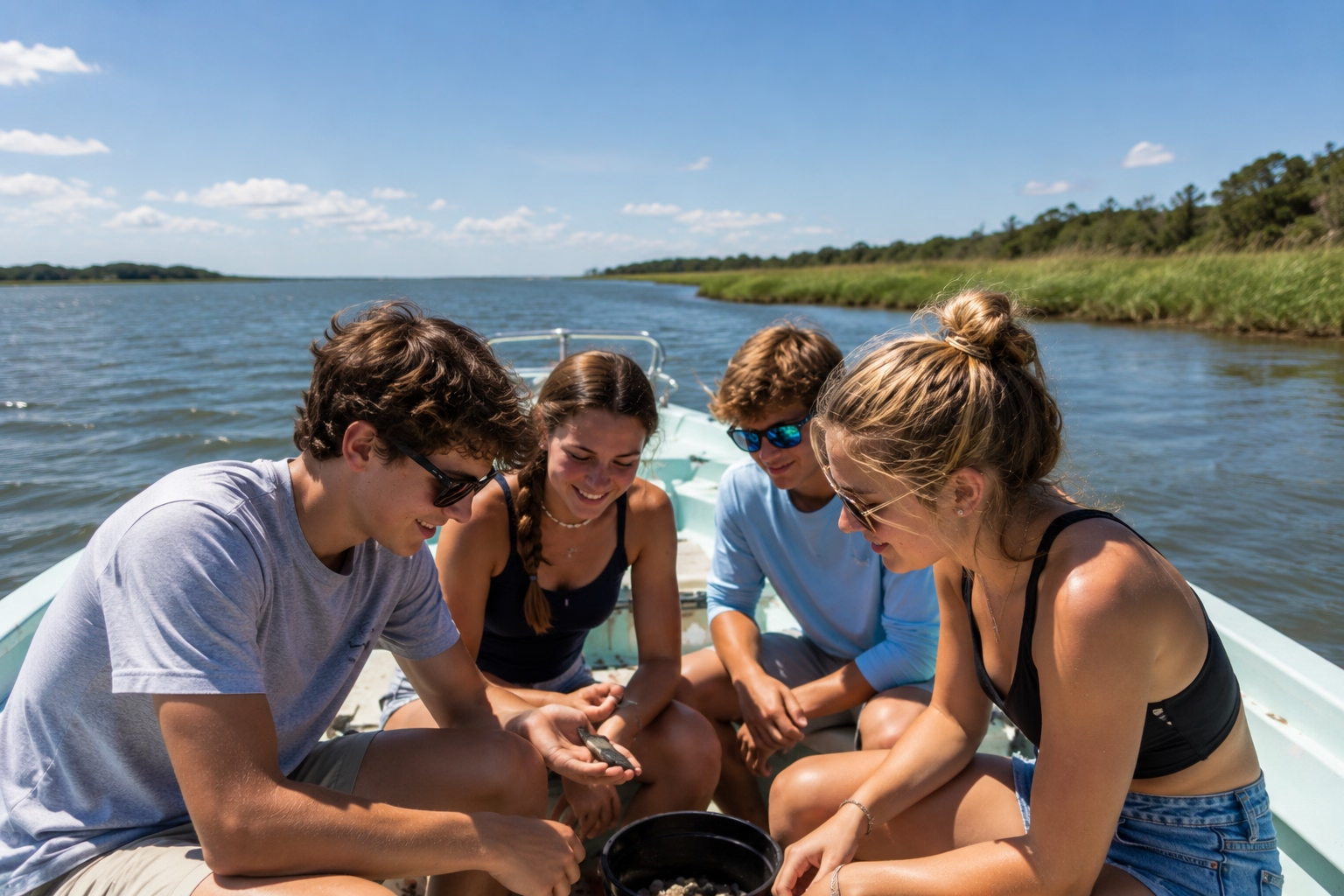
Our eco-focused boat tours explore the protected waterways between Savannah and Tybee Island, giving birders front-row access to the hidden habitats where overwintering and resident birds thrive. Whether you’re seeking a guided birding trip or a custom private excursion, we tailor each outing around the tides, seasons, and your interests.
From bald eagles and osprey soaring overhead to herons and egrets wading in the shallows, every trip reveals something new. Winter’s lower light and calm conditions also make it a photographer’s dream — golden sun, still waters, and crisp details in every shot.
Tips for Coastal Birding
- Bring binoculars or a long lens: some of the best sightings are just beyond the reeds.
- Dress in layers: it’s cooler on the water, especially early in the day.
- Plan around the tides: low tide exposes mudflats rich in shorebirds.
- Move slowly and stay observant: the more patient you are, the more you’ll see.
Your Custom Birding Adventure Awaits
For birders seeking a peaceful, personalized experience on the Georgia Coast, Low Country Drifters is your perfect guide. Our small-group eco-tours offer the flexibility to focus on photography, species observation, or simply drifting through the marsh while the birds go about their business around you.
📍 Departures: Conveniently located between Savannah and Tybee Island
🌿 Tours: 4-hour, 6-hour, or private custom eco-boat adventures
🔗 Book Your Birding Excursion online with Low Country Drifters
See what’s wading beyond the horizon — and experience the quiet beauty of Georgia’s overwintering coast with Low Country Drifters.