The Legend of the Tybee Island Bomb
If you didn’t know about the bomb off of Tybee, now you do!
The Tybee Island Bomb refers to a Cold War-era incident that occurred on February 5, 1958, near Tybee Island, Georgia. During a late-night training mission, a U.S. Air Force B-47 bomber collided mid-air with an F-86 fighter jet.
The bomber, piloted by Major Howard Richardson with co-pilot 1st Lieutenant Bob Lagerstrom, was carrying a 7,600-pound Mark 15 hydrogen bomb, and the collision left the aircraft too damaged to safely land with the weapon still aboard. The F-86 pilot, Lieutenant Clarence Stewart, ejected safely, though he came down badly frostbitten in a swamp — proof that this was a rough night for everyone involved, not just the guys holding the bomb.
The Tybee Island Bomb, at a Glance
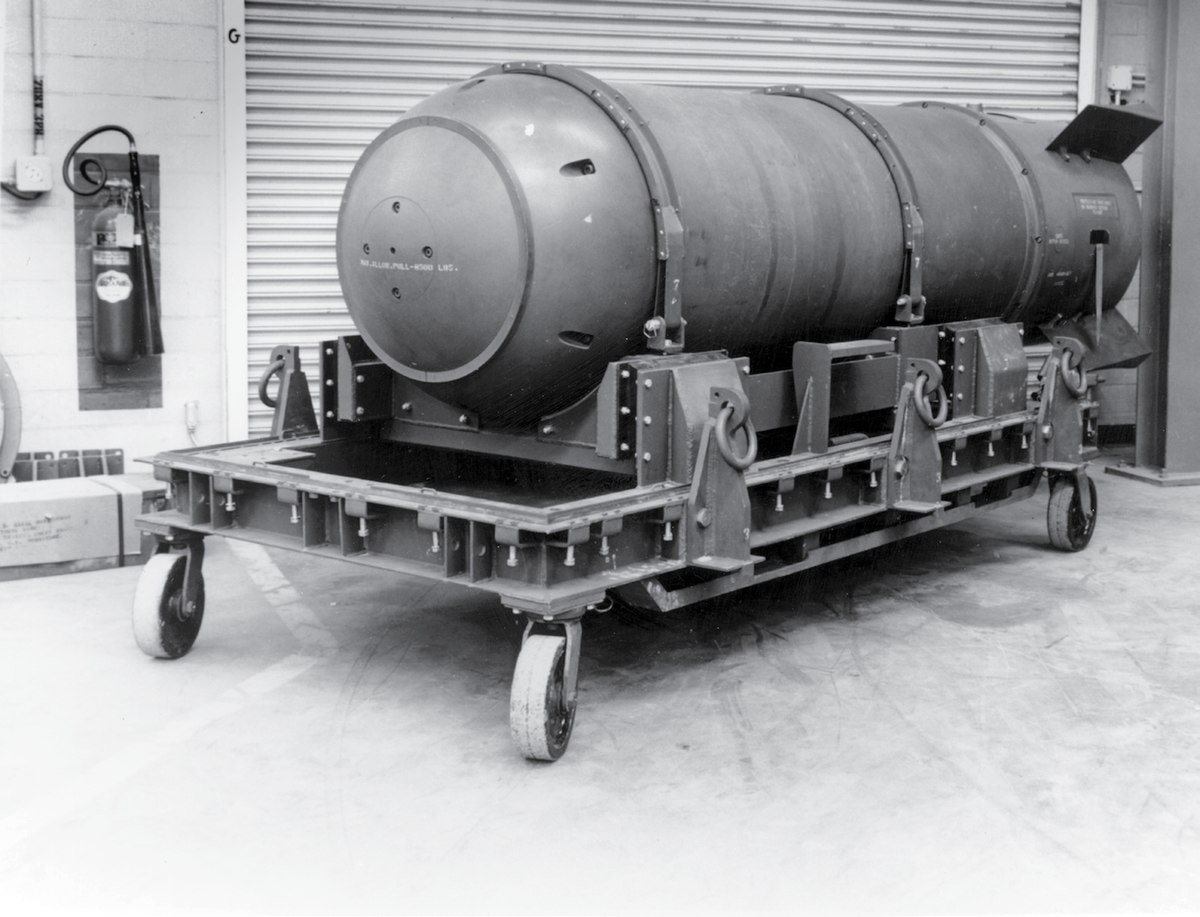
- Date: February 5, 1958
- What happened: A U.S. Air Force B-47 bomber collided mid-air with an F-86 fighter jet during a night training mission
- What was lost: A 7,600-pound Mark 15 hydrogen bomb, jettisoned into Wassaw Sound, near the mouth of the Savannah River, to avoid landing with the weapon aboard
- Official designation: A “Broken Arrow” — the U.S. military’s term for any accident involving a nuclear weapon
- Search effort: The Air Force searched for roughly nine to ten weeks before calling it off
- Current status: Never recovered; its exact location remains unknown
- Official risk assessment: The U.S. government maintains the weapon poses little risk
To prevent a potential catastrophe during landing, the crew jettisoned the bomb into Wassaw Sound, a few miles off Tybee Island. Richardson nursed the crippled bomber to a safe landing at Hunter Air Force Base near Savannah, though the aircraft itself was damaged badly enough that it never flew again. Richardson later received the Distinguished Flying Cross for getting his crew home safely.
Though the bomb was never detonated, it reportedly contained a detonator and conventional explosives, and accounts differ on whether its nuclear capsule was installed at the time — the Air Force has said no, though that claim has been debated for decades. Either way, the incident earned the Pentagon’s official designation of a “Broken Arrow,” and the Tybee bomb remains one of only a handful in U.S. history that was never recovered.
Despite an initial search effort that ran nine to ten weeks, the bomb — often referred to as a “lost nuke” — has never been found. The U.S. government has maintained that the weapon poses little risk sitting on the sea floor, but its disappearance remains a source of local mystery (and, honestly, one of our favorite pieces of bar trivia).
Lieutenant Colonel Derek Duke, USAF (retired), an uncle of a close Drifter, has spent years researching the bomb’s possible location. In 2004, his surveys picked up elevated radiation readings near its presumed resting place, prompting the Air Force to send its own team to investigate. Their conclusion: the readings matched naturally occurring monazite sand in the area, not the bomb itself. So the mystery, somehow, got a little deeper instead of a little shorter.
Check out our favorite list of further information:
See the coastline where it happened
While the bomb’s exact resting place has never been found, the waters near Tybee Island are still very much part of the story and part of what makes this stretch of coast so endlessly interesting.
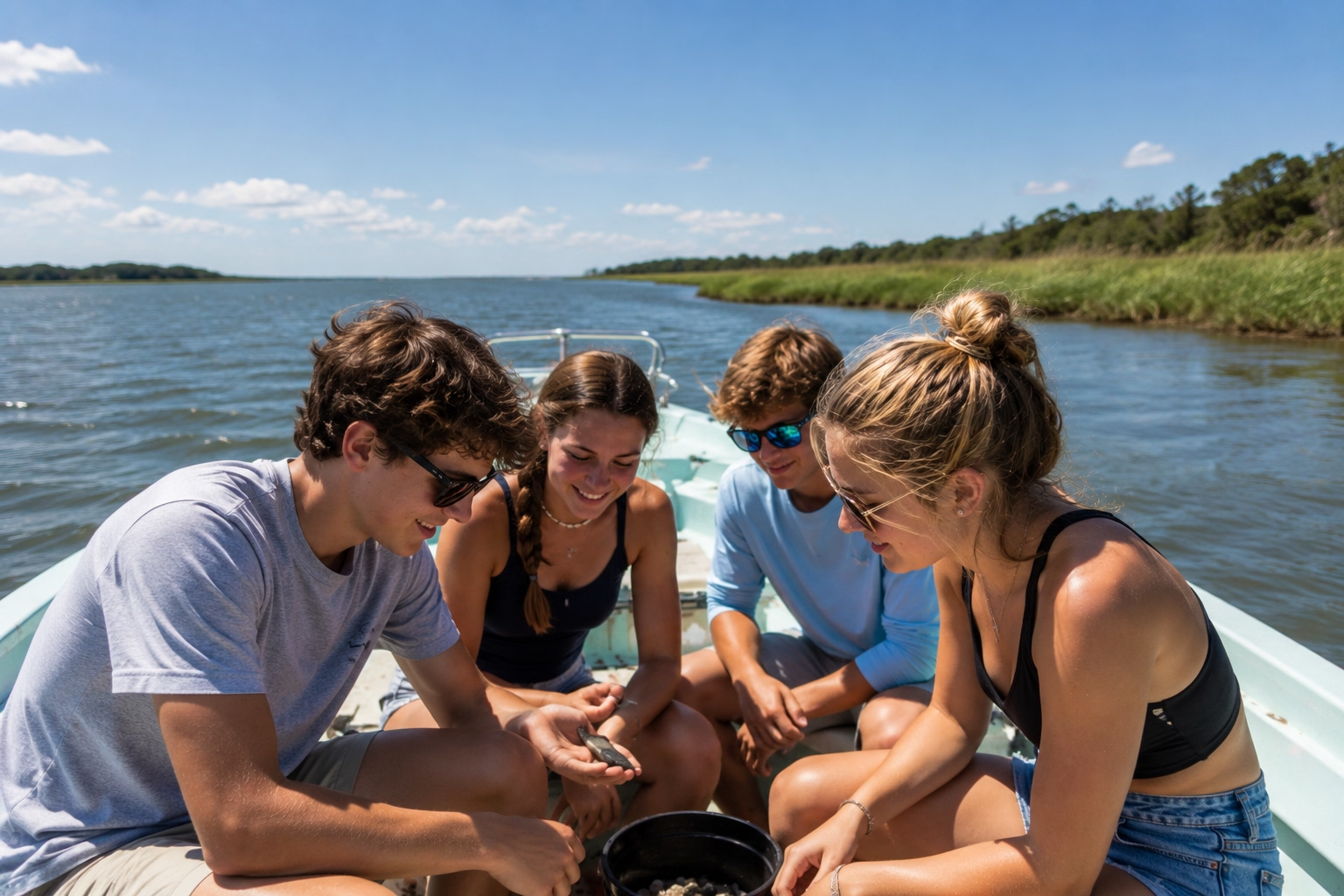
A private Coastal History tour with Low Country Drifters gets you out on that same water, with a captain happy to talk Cold War trivia along with dolphins, shark teeth, and everything else the Low Country has hiding beneath the surface.