Shelling in Savannah, Georgia
The ultimate guide to barrier island shelling
If you’ve ever found yourself walking a quiet beach with your eyes glued to the sand, you’re not alone. There’s something surprisingly satisfying about discovering a perfectly intact shell that has traveled miles before washing ashore. Shelling in Savannah and on Georgia’s barrier islands isn’t just a beach activity: it’s a chance to slow down, explore nature, and uncover tiny treasures left behind by the tides.
Whether you’re visiting for the weekend or you’re a local looking for your next adventure, here’s everything you need to know about shelling around Savannah.
Shelling Along the Georgia Coast
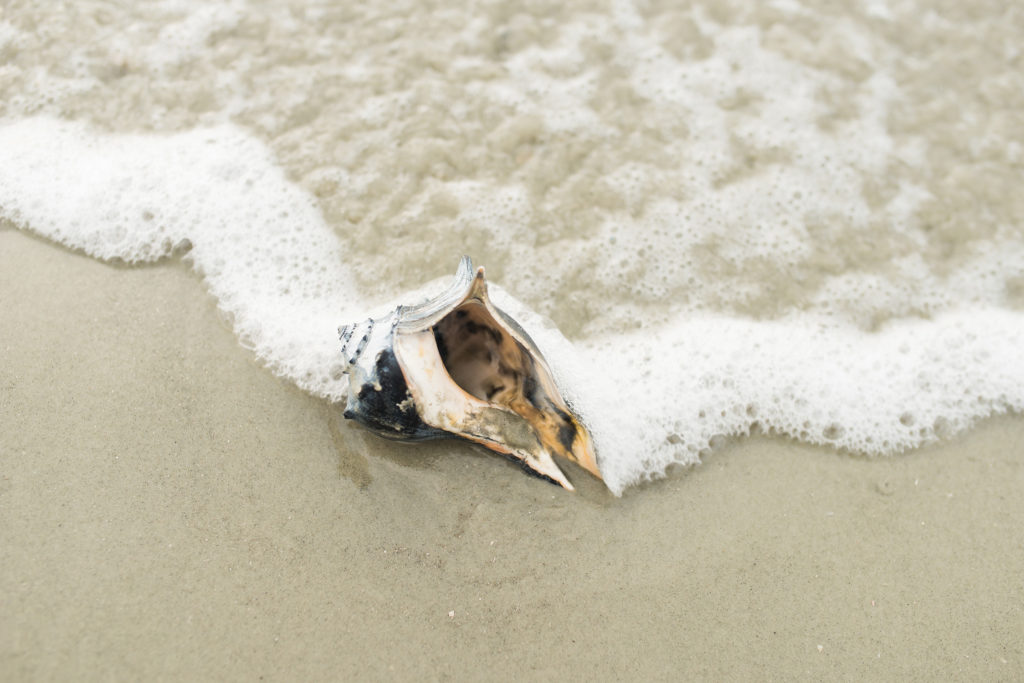
Unlike many busy tourist beaches, much of Georgia’s coastline remains undeveloped and accessible only by boat. That means fewer footprints, less competition, and a better chance of finding beautiful shells before anyone else does.
Just steps outside of Savannah, the beaches surrounding Little Tybee Island, Wassaw National Wildlife Refuge, Daufuskie Island, and the remote sandbars throughout the Low Country are constantly reshaped by tides and currents, creating fresh opportunities with every visit.
Every trip is different, which is part of the fun.
Types of Shells
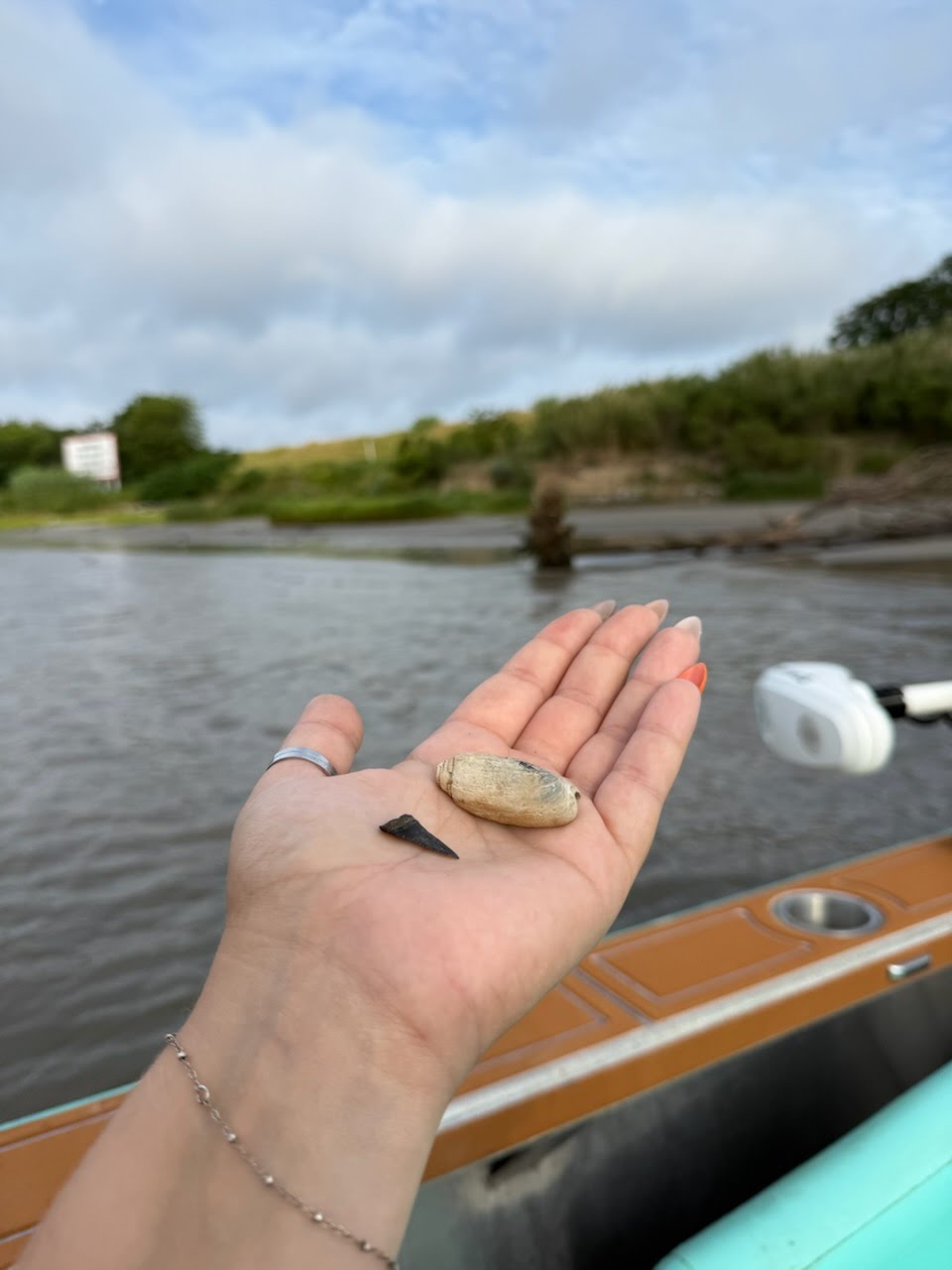
The Georgia coast is home to dozens of shell species. Some are common, while others feel like striking gold when you spot them.
- Lettered Olive – One of Georgia’s most recognizable shells, the Lettered Olive is smooth, glossy, and beautifully patterned with brown markings that resemble handwritten script.
- Lightning Whelk – These large spiral shells are favorites among collectors. Their unique left-handed spiral makes them especially distinctive.
- Knobbed Whelk – Georgia’s state shell, the Knobbed Whelk features raised ridges along its spiral and can grow impressively large.
- Moon Snail – These nearly perfect round shells, also called shark eyes, often appear smooth and creamy white with subtle swirls.
- Coquina Clams – Tiny but colorful, coquina shells create beautiful natural mosaics along the shoreline.
- Cockle Shells – Heart-shaped with bold ridges, cockles are one of the most common and attractive finds.
- Auger Shells – Long, slender, and delicately spiraled, augers are often found after strong tidal movement.
- Oyster Shells – While not collector pieces in the traditional sense, oyster shells are abundant throughout Georgia’s marshes and play a vital role in our coastal ecosystem.
- Angel Wing Shell – Delicate, snowy-white bivalves with graceful, elongated forms resembling folded wings. Because they’re so thin, finding one intact is a real treat. They often wash ashore after periods of rough surf.
- Minor Jackknife Clams – These long, narrow shells resemble miniature straight razors and are common along Georgia’s sandy beaches. They may be found singly or in groups, especially in the wrack line after higher tides. Some kids will say they look like long fingernails.
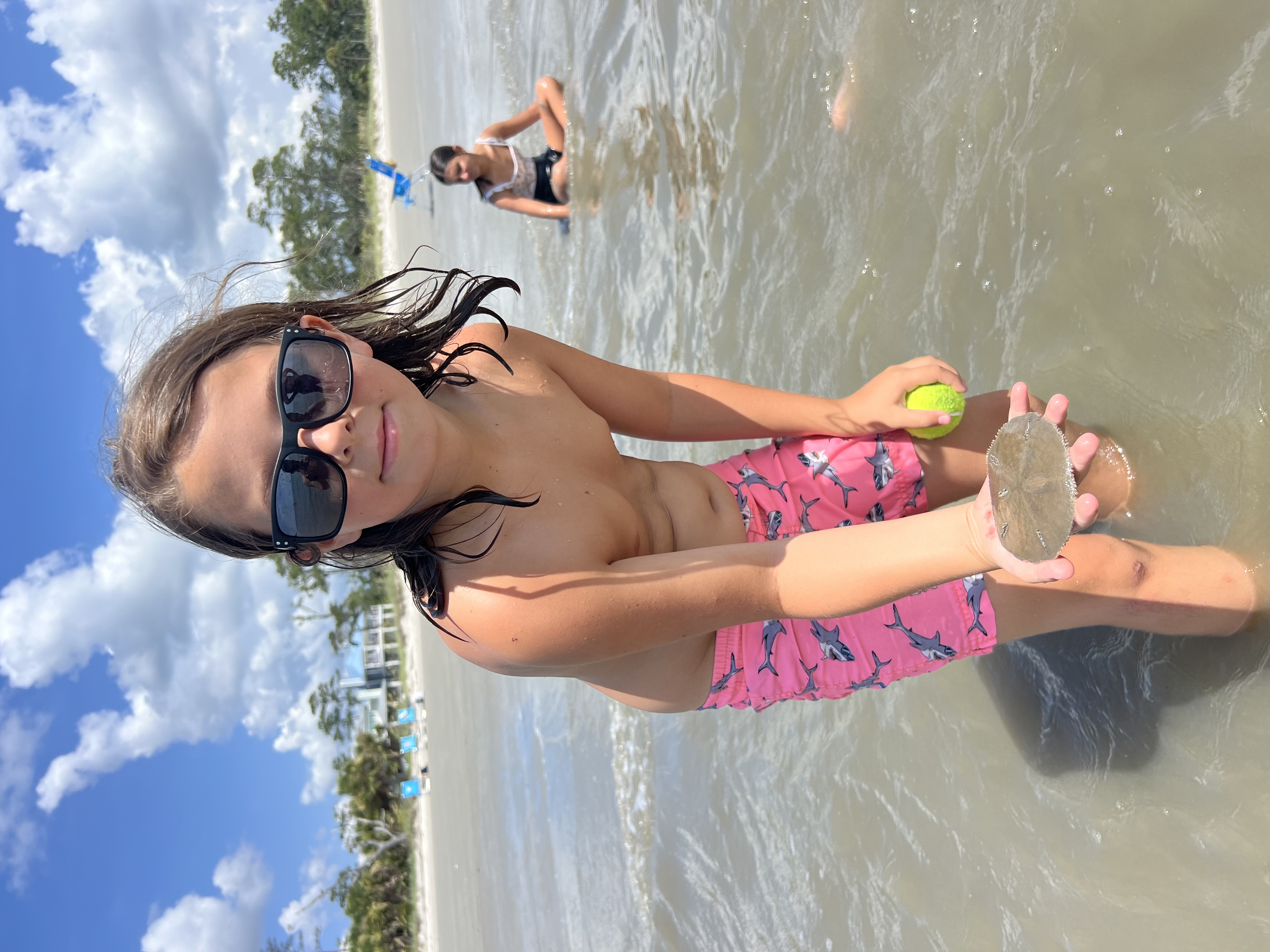
Sand Dollars
Although technically the skeletons of burrowing sea urchins rather than shells, sand dollars are among the most exciting beach finds.
- Freshly washed ashore, sand dollars are often gray or brown, or covered in tiny, moving spines, meaning they’re still alive and should be returned to the water.
- The familiar white sand dollars are sun-bleached skeletons and are often found after storms or at low tide.

Where to Look for the Best Shells
Experienced shellers don’t wander aimlessly. They know exactly where nature tends to collect its treasures.
The High-Tide Wrack Line
One of the best places to search is the high-tide wrack line. The wrack line is the ribbon of seaweed, marsh grass, driftwood, shells, seed pods, feathers, and other natural material left behind when the tide reaches its highest point before receding.
While it may look like a messy pile of debris, it’s actually one of the most productive places on the beach. Waves and currents naturally sort and deposit shells here, making it a favorite hunting ground for experienced shell collectors.
Take your time walking the wrack line and gently sift through the natural materials. You’ll often discover shells that are easy to miss from a distance.
Other great places to search include:
- Newly exposed sandbars at low tide
- The mouths of tidal creeks
- Along oyster beds (watch your footing)
- The edges of marshes
- Areas where waves begin to lose energy and deposit shells
The Best Time to Go Shelling
While shelling can be enjoyable year-round, timing makes a huge difference.
- Low Tide is Best – The hours around low tide expose the most beach, revealing shells that were previously underwater. The ideal window is from 1 hour before low tide to 1 hour after low tide.
- Morning Walks – Early mornings often offer the best finds since fewer people have already combed the beach.
- After a Storm – Strong winds and higher surf frequently uncover shells buried beneath the sand. Even a passing offshore storm can produce excellent shelling conditions.
Patience pays off. Instead of scanning far ahead, slow your pace and carefully search a few feet ahead. Look for unusual colors, smooth shapes, or glossy surfaces that stand out from the sand.
Shelling Etiquette
One of the most important rules of shelling is simple: If something is alive inside the shell, leave it where you found it. If it smells, moves, or has something living inside, admire it and gently place it back.
Many shells are still occupied by snails, hermit crabs, or other marine life. Removing living creatures disrupts the coastal ecosystem and prevents future generations from enjoying these beautiful beaches. Take only empty shells, leave living creatures where they belong, and help preserve Georgia’s beautiful barrier islands for future generations.
Leave it Better Than You Found It
One of the best parts of shelling is helping protect the beaches we enjoy. While you’re searching for shells, consider picking up any plastic bottles, fishing line, or other litter you come across. Marine debris can be harmful to birds, sea turtles, dolphins, and other coastal wildlife.
Don’t Forget the Egg Casings
Not everything you find on the beach is a shell. Keep an eye out for fascinating egg casings left behind by marine life, including:
- Lightning Whelk egg cases – Long, spiral strings of papery capsules resembling a twisted rope. Each capsule once held dozens of developing baby whelks.
- Moon Snail sand collars – These look like a rubbery, doughnut-shaped ring made from sand and mucus. They’re actually protective egg masses created by moon snails.
- Skate egg cases (“Mermaid’s Purses”) – Small, dark, rectangular capsules with curled tendrils at each corner. If you find one that still contains an embryo, leave it where it is.
These natural wonders are incredible to photograph and observe, but they should be left on the beach whenever possible.
A Boat Tour Gives You Access to the Best Beaches
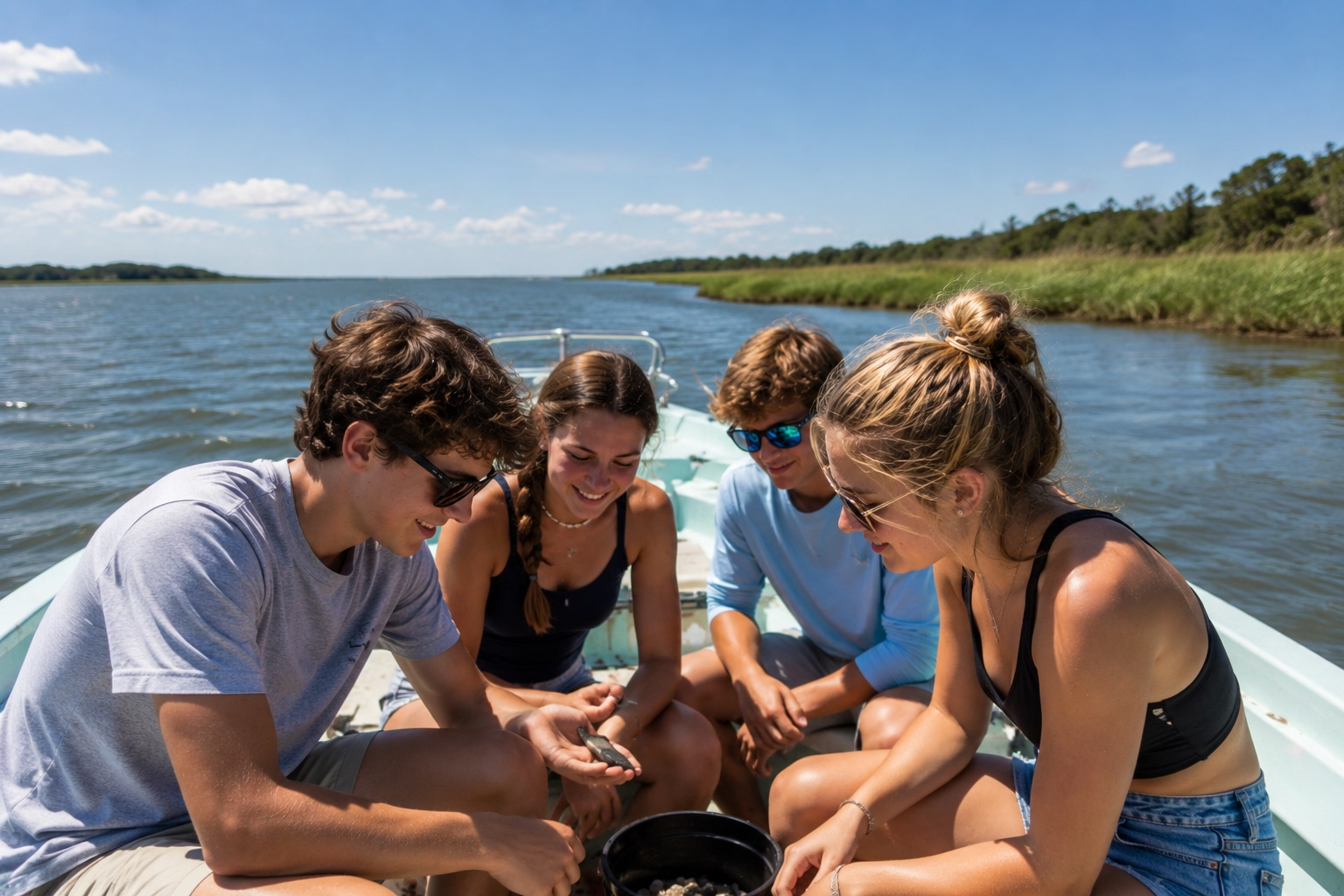
Some of the best shelling beaches near Savannah simply can’t be reached by car. That’s one of the reasons our guests love exploring with Low Country Drifters. We take small private groups to remote barrier islands, quiet sandbars, and untouched beaches where shelling is often at its best. Along the way, you may spot dolphins, coastal birds, and other wildlife while learning about the unique ecosystems that make Georgia’s coast so special.
Since every trip is private, we can often spend extra time where the shelling is especially good, depending on the tides and your group’s interests.
Every Tide Brings Something New
One of the joys of shelling is that no two beach walks are ever the same. The tide is constantly rewriting the shoreline, leaving behind new treasures to discover with each visit.
Whether you’re searching for Georgia’s state shell, hoping to find a perfectly polished Lettered Olive, or simply enjoying a peaceful walk on an uncrowded beach, shelling is one of the simplest and most rewarding ways to experience the Georgia coast.
Bring your curiosity, watch the tides, and let nature do the treasure hunting.
Ready for a coastal scavenger hunt?
Book your shelling adventure today and discover what the tide has in store!
Some of the best shelling beaches near Savannah are only accessible by boat. Book a private guided tour with Low Country Drifters to Wassaw National Wildlife Refuge or Little Tybee Island, where you’ll have the opportunity to search for shells, spot dolphins, explore pristine beaches, and experience Georgia’s untouched barrier islands.
Every trip is private, so we can tailor the day to your group’s interests and the best shelling conditions.